
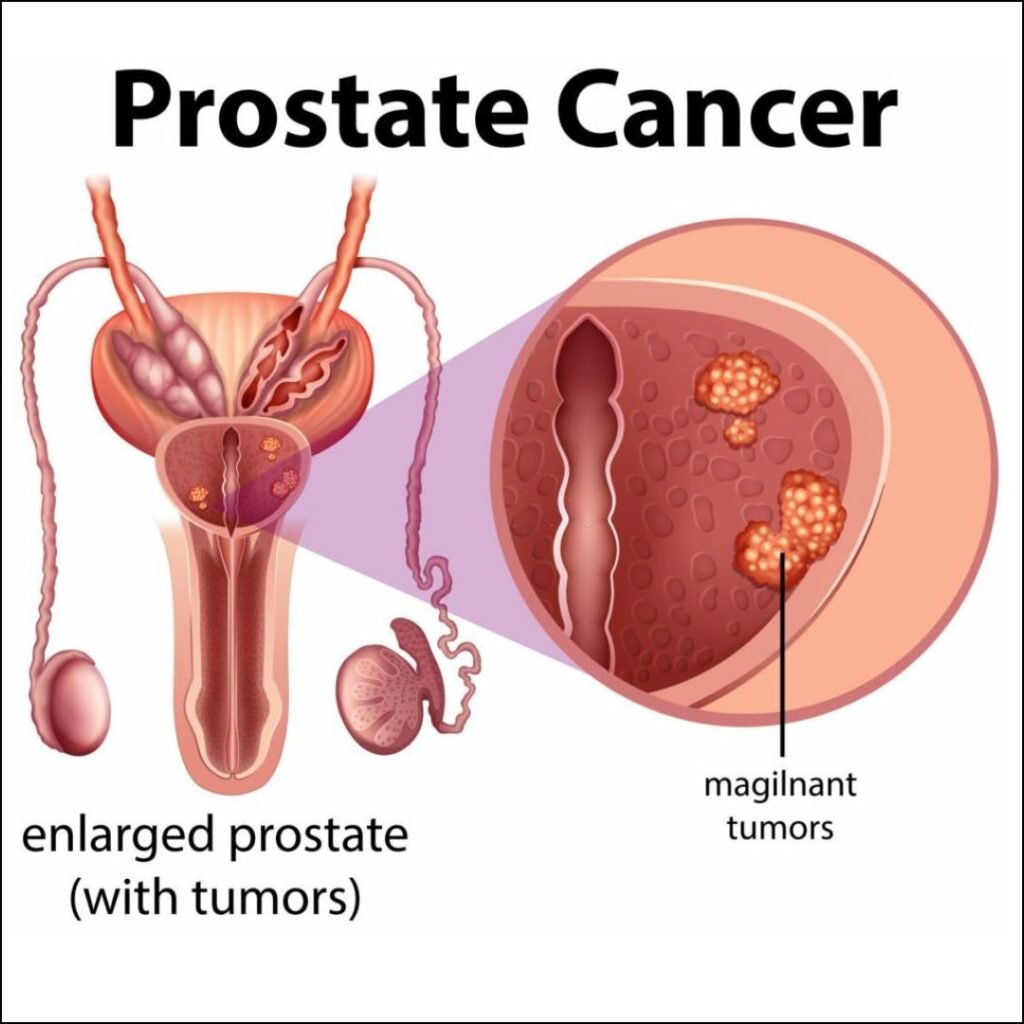
What is Prostate Cancer?
Prevent Cancer Trust Prostate Cancer Awareness: Early Detection, Safer Lives Prostate cancer is one of the most common cancers affecting men, especially those over the age of 50. The good news is that when detected early, it is often highly treatable and manageable. Awareness, regular screening, and a healthy lifestyle are the strongest tools in preventing serious complications. What Is the Prostate? The prostate is a small gland, about the size of a walnut, located below the bladder in men. Its primary function is to produce fluid that nourishes and protects sperm, forming an essential part of semen. What Is Prostate Cancer? Prostate cancer occurs when cells in the prostate gland begin to grow uncontrollably, forming a tumor. In many cases, it grows slowly, but some forms can be aggressive and spread quickly if not detected and treated in time. What Causes Prostate Cancer? The exact cause is not always known, but several risk factors can increase the likelihood of developing prostate cancer: Age, particularly after 50 Family history of prostate cancer Genetic mutations Obesity Lack of physical activity Unhealthy diet, especially one high in saturated fats Smoking and excessive alcohol consumption Early Signs and Symptoms In its early stages, prostate cancer often causes no symptoms, which is why regular screening is so important. When symptoms do appear, they may include: Frequent urination, especially at night Difficulty starting or stopping urination Weak or interrupted urine flow Blood in urine or semen Burning or pain during urination Pain in the lower back, hips, or bones (in advanced stages) How Can You Reduce the Risk? While prostate cancer cannot always be completely prevented, certain lifestyle choices can significantly reduce the risk. Eat plenty of fresh fruits and green vegetables Include whole grains in your meals Limit red meat and high-fat foods Foods like tomatoes, broccoli, and nuts may be especially beneficial Aim for at least 30 minutes of exercise daily Maintain a healthy weight Adopt an active lifestyle Quit smoking completely Limit or avoid alcohol consumption Men over 50 should discuss prostate screening with their doctor Those with a family history may need earlier screening PSA testing and other evaluations should be done as advised by a healthcare professional Why Early Detection Matters Prostate cancer often develops silently, without noticeable symptoms in its initial stages. Regular check-ups can help detect it early, when treatment is easier, less invasive, and more successful. A Message from Prevent Cancer Trust Prostate cancer is not something to fear, but something to understand. With the right knowledge, timely screening, and healthy lifestyle choices, the risk can be significantly reduced. We encourage every man to prioritize his health and to spread awareness among family, friends, and the community. Remember: Early detection is the best protection. Short Awareness Message Prostate cancer is one of the most common cancers in men, especially after the age of 50. It often develops slowly and may not show symptoms in its early stages. Regular screening, a healthy diet, regular exercise, and avoiding tobacco can help reduce the risk. Early detection can save lives. Get screened. Stay informed. Protect your health.
What is Prostate Cancer? Read More »